Trump’s proposed credit card rate cap
Stay up to date with President Trump’s calls for a credit card interest rate cap and register for our webinar, The 10% Cap and What's Next for Consumer Credit, on January 27th. LoanPro’s Scott Johnson and Colton Pond will sit down with Ensemblex’s Shawn Budde in a panel hosted by Chloe Zhu, discussing the proposals currently on the table and what immediate and long-term effects they might have on the industry.
Earlier this January, President Trump called for a one-year cap on credit card interest rates at 10%, and voiced the same sentiment more recently at the World Economic Forum, asking “Whatever happened to usury?” The news has rattled the financial industry, with many wondering what impact the proposed rate could have on consumers’ access to credit, card providers’ profitability, and the finance industry and economy as a whole.
It’s unlikely that the 10% rate cap will go into effect in the immediate future—there are significant political barriers that make near-term implementation difficult—but with rate caps dominating the national conversation around credit, it’s worth investigating how capping card interest rates at 10% would impact providers, and what they could do to mitigate risks while continuing to offer credit to American consumers.
Political feasibility and possible alternatives
President Trump’s call for an interest rate cap is not legally binding; The Dodd-Frank Act doesn’t extend that power to the executive branch, and the Supreme Court recently blocked a similar consumer protection effort from the Biden administration when they attempted to cancel student loan debt. As he clarified at the WEF, rather than directly placing a moratorium on rates over 10%, he’s asking Congress to pass new legislation.
Not to dive too deep into partisan politics, but the proposed 10% interest rate cap would challenge normal party lines. Laissez-faire or pro-business Republicans would likely bristle at market interventions, and Democrats who might support a similar proposal from a leader in their own party may still be wary of supporting Trump’s credit card interest cap. Still, a bipartisan bill to cap credit card interest at 10% was introduced last year by Senators Bernie Sanders and Josh Hawley. Garnering support in Congress isn’t impossible, but it would be an uphill battle.
But even if a 10% credit card interest rate cap doesn’t go into effect nationally, other measures might take hold. If a 10% interest rate seems drastic, lawmakers might settle for a higher cap at 20-25%. Alternatively, state lawmakers might implement their own credit card rate caps, leading to a patchwork of state-by-state usury laws. Regardless of the immediate feasibility of the proposed Trump credit card interest rate cap, credit card providers should take the possibility of a rate cap in the near future seriously.
Immediate concern: Lowering interest rates on existing products
If the 10% interest rate cap went into effect, the immediate concern would be managing the shift for existing credit card portfolios. While high rates are understandably a sensitive issue for consumers, we can’t ignore their function in protecting card providers from the risk of delinquency and defaults. Higher rates offset the risk of lending to subprime borrowers, and can disincentivize reckless spending. Artificially reducing those rates disrupts that risk mitigation.
Before lowering the rate for any given card program, providers should perform a cost-benefit analysis weighing the same risks of defaulted debt against lower potential earnings.
- Adapting low risk cards. Some programs could reasonably be adapted while taking steps to reduce risk (more on that below). For those programs, there’s still an immediate compliance concern of lowering the interest rate, making any other necessary changes, and disclosing those changes to the borrower. Some credit platforms, like LoanPro, are capable of making those changes rapidly through no-code configuration. On others, however, it may require greater technical resources to adjust interest rates. For individual cardholders, a lower credit limit hampers liquidity and reduces purchasing power; amplified over the entire economy, that can lead to rising default rates and a weaker market for virtually every consumer good—part of the liquidity crunch that contributed to the 2008 financial crisis.
- Cancelling high risk cards. For other programs, there unfortunately would be too much financial risk to continue offering the same credit without the same returns. In these cases, many card providers would simply cancel their programs, but they may be missing out on a key opportunity to retain their existing customers. Rather than simply liquidating those accounts, they could transfer them to alternative products like a secured card, Pay Later tool, or traditional installment product.
In either case, these discussions will be easier to have now than when an implementation deadline is announced just months or even weeks ahead. If you’re unsure about how well your platform could adapt to sudden regulatory changes, now is the time to analyze your portfolio, consider your risk appetite, and develop contingencies for unpredictable regulatory changes.
Reducing risk to accommodate for a rate cap
Without high rates hedging against borrower delinquency, credit card providers need to find other ways to reduce credit risk.
- Enhanced underwriting. Modern underwriting tools that incorporate alternative data and cash flow underwriting to paint a more complete picture of borrower risk, allowing you to more confidently extend low-interest lines of credit. At the same time, KYC and anti-fraud tools prevent the starkest losses, and can have a significant impact on your overall margins.
- Secured and partially secured cards. Losing access to credit will hit low-credit and no-credit consumers the hardest. But secured cards give them an option to gradually build their credit history while also fostering a long-term relationship. Card providers can leverage these low-risk secured programs to bring in new clientele who may otherwise turn to higher-interest products like payday loans.
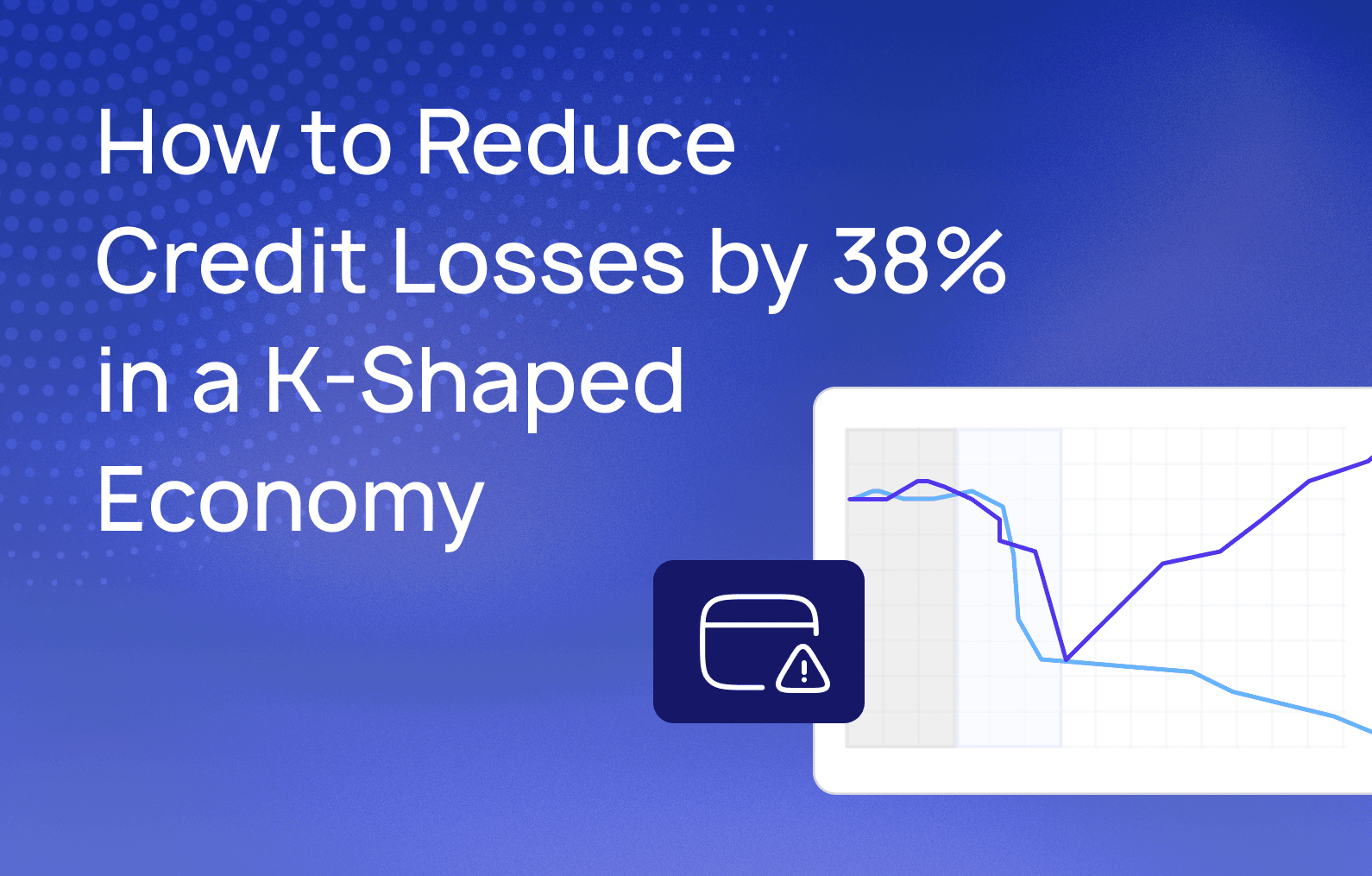
- Next-gen servicing and collections. A struggling borrower doesn’t have to go delinquent on their repayments. With better servicing and collections tools, card providers can proactively identify at-risk accounts and offer borrower-friendly tools to prevent defaults. Hardship programs, flexible payment plans, self-serve portals, and automations all work together to make repayment straightforward and convenient while protecting your own bottom line: LoanPro customers who implement these solutions have seen an average 38% decrease in credit losses within their first year.
Standing out when interest is no longer a differentiator
With interest rates reduced to 10%, the financial mechanisms underlying most cards would be virtually indistinguishable. Outside of interest rates, rewards are the greatest differentiator for most consumers, but President Trump has also signalled his support for a bill that could compress the interchange fees that fund most reward programs. Tamping down both interest and interchange would not merely challenge card programs’ profitability; it would drastically reduce the meaningful differences between cards, homogenizing the marketplace.
That is, unless you have another axis for differentiation. While most cards currently compete on APR and rewards, there are also vanguard products carving out new opportunities through a better, more personalized customer experience
Deep personalization: Tailoring card programs to individualized needs
The problem with weakly differentiated cards isn’t simply that they look like others on the market, but that they fail to address the specific concerns that individual cardholders care about.
Putting customization options in the hands of your borrowers lets them fine-tune a card that works for them, whether it’s for maximizing rewards on seasonal purchases, adjusting payment plans to accommodate irregular income, or using next-gen tools like LoanPro’s transaction level credit™ to earn reduced interest on specific spending categories.
Integrated financial planning: Giving borrowers control and visibility over their budgets
Credit cards are an essential part of most consumers’ everyday budgeting, but many of them leave cardholders without insight or control over their finances.
Data visibility makes your card key to borrowers’ financial confidence. With APIs and real-time data, you could natively integrate your card platform to budgeting and financial planning tools, simultaneously adding value to your card and encouraging steady repayment.
Similarly, self-serve tools help borrowers manage minor updates to their accounts, like enrolling in AutoPays or rescheduling their monthly due date.
Alternate products: Simultaneously offering complementary payment tools
Recent data shows that consumers are increasingly using a combination of credit options to manage day-to-day expenses. While a credit card may be optimal for some purchases, they prefer BNPL or card based installments for others—and modern payments technology allows you to offer all of these complementary options from the same access point.
Just a few months ago, for instance, Mastercard and LoanPro jointly announced Loan on Card, a new funding mechanism that lets you disburse installment loans through the card rails, offering instant approval and spending access for virtually any class of credit product. While it uses the card rails to facilitate transactions, it’s still an installment loan and thus outside the scope of the 10% interest rate cap that Trump is proposing. Rather than closing programs and losing your customers, you can convert them to a more flexible product that offers Pay Later installment loans at a range of interest rates and repayment schedules.
And this compliance angle is a happy accident emerging from the administration's new focus on credit cards, not what we developed it for. The real value Loan on Card provides to borrowers is immediate access to a greater range of credit products, giving them the convenience of card rails without the typical financial mechanics. If a rate cap goes into effect and limits consumers’ credit options, having instant access to installment loans will go from an added bonus to an essential part of their everyday cash flow budgeting.
Preparing your portfolio for an interest rate cap
It remains to be seen whether a measure like Trump’s proposed 10% interest rate cap will be implemented, and yet the underlying opportunity remains. Why wait for a government mandate to reevaluate your portfolio, reduce credit risks, and launch new and differentiated products that set you apart from your competitors?
The companies that are best positioned for an interest rate cap will be the ones who take proactive steps now.
Interested in how your company can prepare for an interest rate cap? Reach out to LoanPro. We keep an ear to the ground on all things compliance and credit, and would love to talk through the developments we’re seeing and what strategies make the most sense for your portfolio.
Want to dive deeper? Register for our webinar, The 10% Cap and What's Next for Consumer Credit, on January 27th. A panel hosted by Chloe Zhu (GP of Ensemblex Venture Fund) will feature discussion and insights from Scott Johnson (LoanPro’s President of Card), Colton Pond (LoanPro’s CMO and co-founder of Fintech NerdCon), and Shawn Budde (ex-Chief Customer Officer at Capital One, co-founder of Zest.ai, and co-founder of Ensemblex).